The problem

Indigenous children represent 7.7% of the child population and 53.8% of children in foster care.

This is not a reflection of parenting. The primary drivers are poverty, housing instability, and the absence of culturally grounded support at the moment families need it most. These are systemic failures rooted in the same colonial logic as residential schools and the Sixties Scoop.

The impact extends beyond child welfare. A 2026 study across five Canadian provinces found that among children who experienced parental incarceration, 30.5% had at least one Indigenous parent, reinforcing how interconnected these systems are for Indigenous families. Kouyoumdjian et al., PLOS One, 2026

Families walk into proceedings without knowing their rights. Reunification takes years with little consistent support alongside families throughout the process. Children are placed with providers who have no requirement to understand Indigenous culture, family, or identity.

No Indigenous-led accountability standard exists for child welfare providers anywhere in Canada.
The gap we fill

Before KFT, this did not exist.

There was nowhere for an Indigenous family to go when child welfare knocked on their door and learn what their rights were. No one to sit with Elders, connect with other families who had been through it, and walk beside them from the moment of investigation through to reunification without judgment or reporting.

There was no public standard telling families whether the provider caring for their child was actually equipped to care for an Indigenous child. No rating. No accountability. No requirement.

KFT-Families Society fills both of those gaps. IFISC is the certification standard. The Society is the infrastructure around it.

A mother embraces her child in a wildflower meadow

KFT-Families Society exists to close a single gap: Indigenous families navigating child welfare have never had a standard built by their own communities, applied by their own leaders, and accountable to their own people.

What KFT does

Walk beside families. Hold providers accountable.

Family Preservation Circles

Weekly community circles for Indigenous families navigating the child welfare system. Talking circle format. No judgment. No reporting. No gatekeeping of who deserves to be there.

Rights Education

Workshops covering the rights of Indigenous families under the CFCSA. Jordan's Principle in plain language. Gladue principles. What families can ask, what they can refuse, and what they are owed.

Family Navigator Program

A navigator walks beside the family from the moment of contact through to reunification. Not a year of support. The whole journey.

IFISC Certification

The first Indigenous-led certification for child welfare providers in Canada. Seven pillars. One question: is this place equipped to raise an Indigenous child?

Read the standard
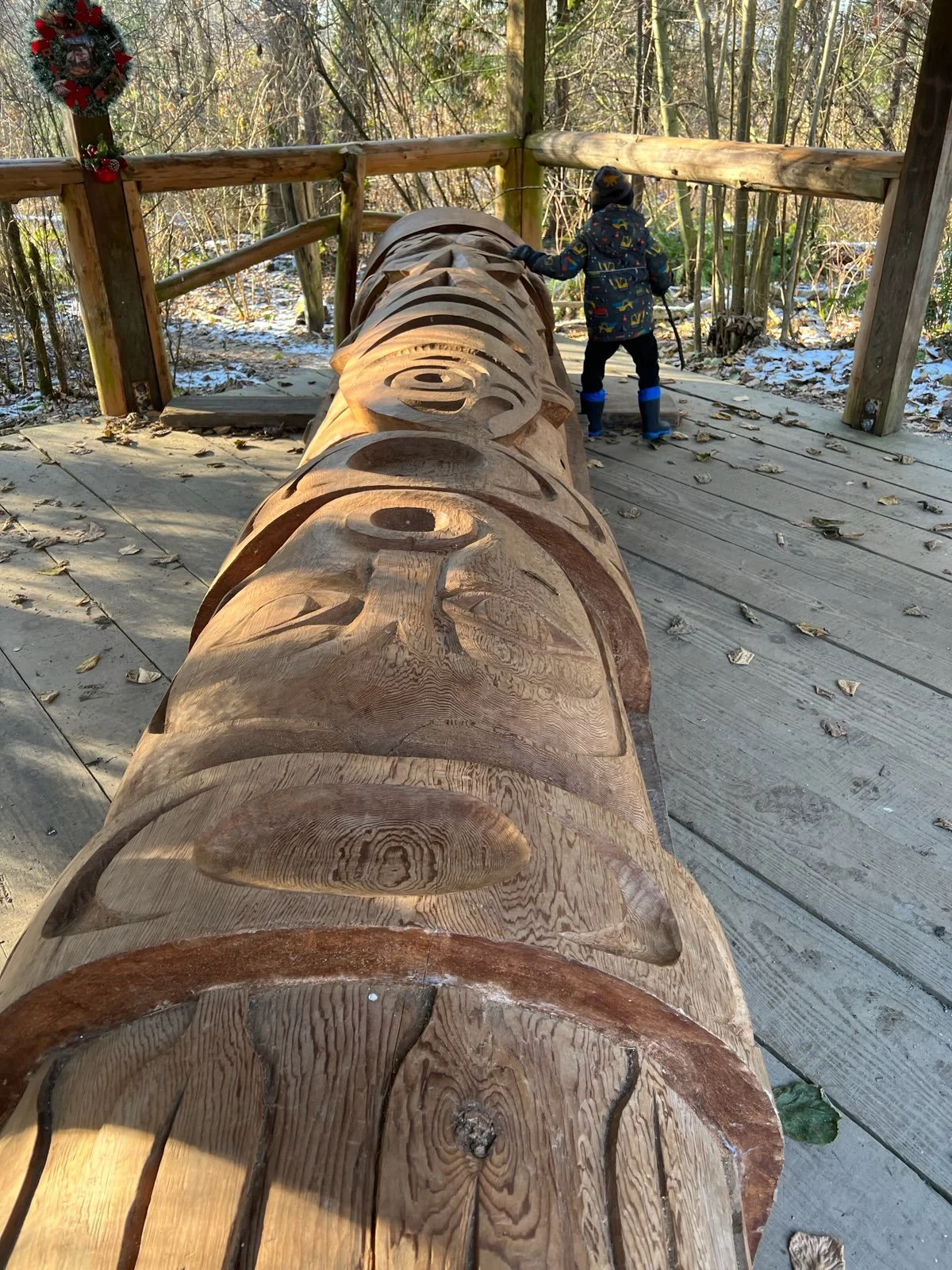
A child reaches out to touch a carved cedar totem

7

Pillars of measurable practice

6

Volunteer directors governing the Society

5

Of six directors are Indigenous

1st

Indigenous-led certification standard of its kind in Canada

Core values

How KFT shows up.

Walk Beside

We accompany. We do not direct.

Grassroots Always

We stay connected to community no matter how large we grow.

Confidentiality

What is shared in the circle stays in the circle.

Empower for Life

We build knowledge and capacity that lasts beyond us.

Elder and Community Led

Every program is shaped by those who have lived it.

Unconditional Showing Up

We are there regardless of where a family is in their journey.

Challenge the System

We advocate for systemic change while serving families inside it.

Milestones

Where we are.

  1. March 2026 KFT-Families Society incorporated in British Columbia.
  2. April 2026 Seven-pillar framework defined. Working groups formed.
  3. May 2026 IFISC digital platform launched. Community consultation begins.

Leadership

The directors.

Six directors, all serving voluntarily. Five of six are Indigenous. Governed under the BC Societies Act.

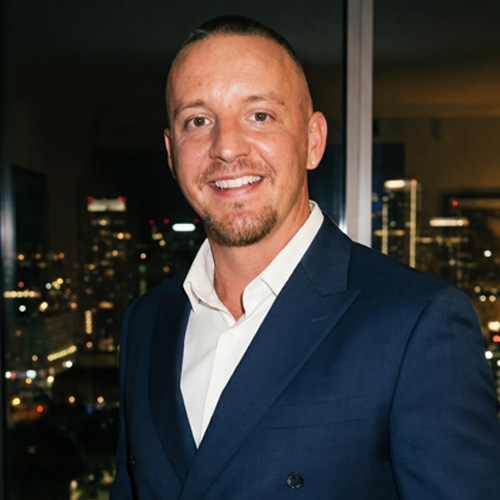
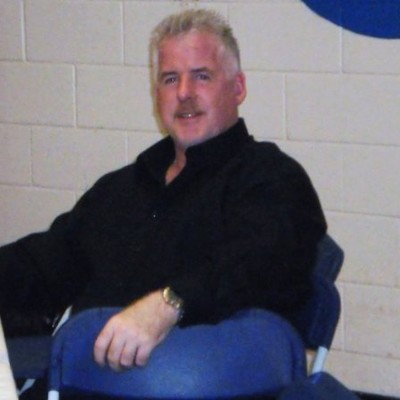
Portrait of Garrett McMartin

Garrett McMartin

Director, Systems and Operations

Garrett is a Semiahmoo First Nation entrepreneur, published author, and founder of multiple Indigenous-led ventures. He leads grant writing for the Society and built the digital and operational infrastructure behind IFISC. His work connects the certification standard to the funding, technology, and delivery systems required to scale it nationally.

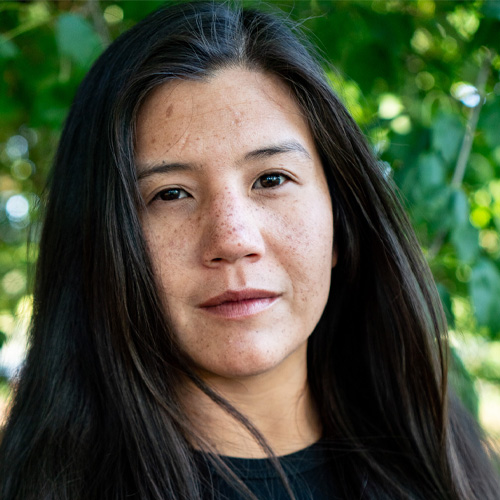
Portrait of Kayla Black

Kayla Black

Director, Brand and Social Media

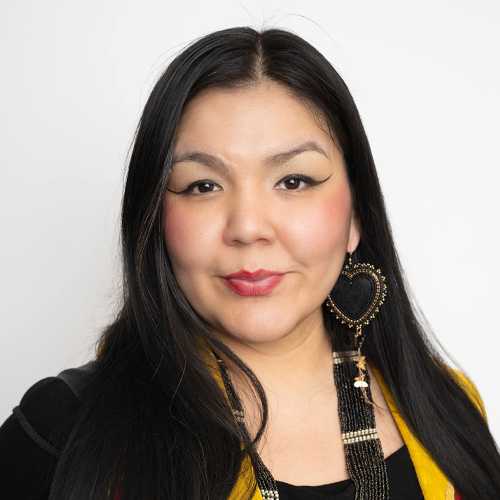
Kayla is an Anishinaabekwe born and raised on Coast Salish Territory. A photographer, actor, podcaster, activist, and entrepreneur, she serves as a support worker with Keeping Families Together. Her experience in the foster policing system drives her work on the board, where she leads brand and social media to raise community and cultural standards of family safety and health.

Portrait of Grace Dumas

Grace Dumas

Director, Cultural and Community Liaison

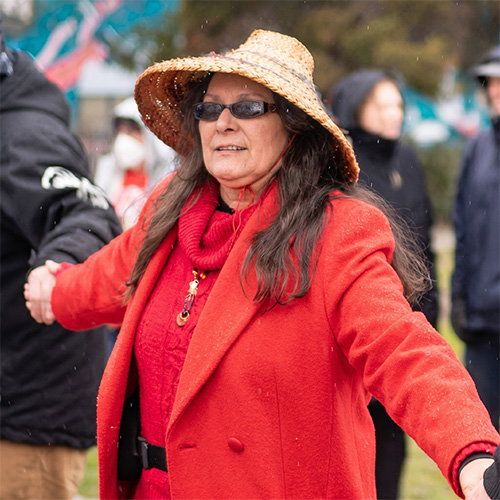
Grace (Twirling Wind) Dumas is a Cree facilitator, program developer, and co-founder of Sage Nation Society. With lived experience and over a decade of frontline work, she designs and delivers life skills and cultural programming for youth aging out of care. A graduate of the University of Victoria ICE-DAR entrepreneurial program and engaged in Community Capacity Building through Simon Fraser University, Grace is currently developing Family Integrity Safety Training and serves on the board for Keeping Families Together. Her work is rooted in Indigenous teachings, prevention, and building strong, connected communities.

Portrait of Roslyn Chambers

Roslyn Chambers

Director, Legal Advisor

Roslyn is a lawyer based in Vancouver, BC, and co-founder of Chambers Caldwell Law LLP. She has represented hundreds of parents in child protection cases against the BC Ministry of Children and Family Development. A member of the Indigenous Bar Association, she brings direct legal experience in the systems IFISC is built to hold accountable.

Portrait of Darlene Clark

Darlene Clark

Director

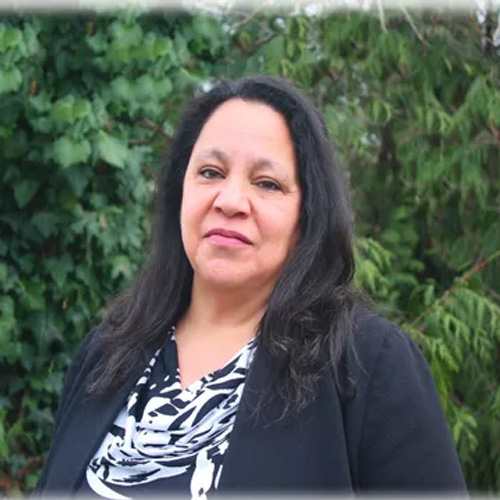
Darlene is a Sixties Scoop survivor who experienced the child welfare system firsthand before dedicating her career to child education and family advocacy. Active with FRAFCA, she brings the perspective of someone who has lived the consequences the standard is designed to prevent, ensuring the board never loses sight of what removal actually costs.

Portrait of Lori Damon

Lori Damon

Director, Co-Founder

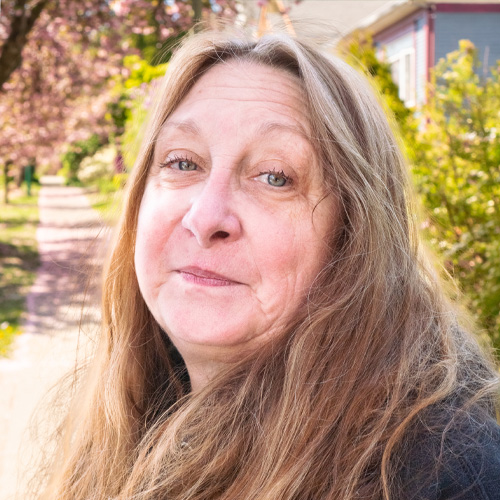
Lori has worked in social services since 1987 across youth support, addiction centres, family support, suicide prevention, and crisis response. She holds AMI teacher training, an Early Childhood Development certification, a Graduate degree in Clinical Psychology from Vermont College of Norwich University, and certification as a drug and alcohol counsellor, with active research in safe supply. After practicing as an Acute Crisis Clinician, Hospital Liaison, and Mental Health Clinician, she co-founded Keeping Families Together in 2019, a peer-led support group where parents dealing with child welfare come together in a confidential space to share their stories. In 2026 that work became the KFT-Families Society, an Indigenous nonprofit built on lessons learned from families, elders, and community partners.

Advisors

Building a circle of advisors with lived experience, legal expertise, and standing in child welfare reform.

Portrait of Stuart Cadwallader

Stuart Cadwallader

Gladue Writer

Stuart Cadwallader is a registered status Tongas Tlingit of the Raven Clan, raised in the Kwagiulth village of Fort Rupert and a direct descendant of Chief Shaiks. In 2006 he designed the original Gladue Report template for British Columbia and built the curriculum for Legal Aid Gladue Report writers across the province. He has authored more than 3,400 Gladue Reports and is recognized as a Gladue expert in Provincial, Supreme, and Appeal Courts. Stuart helped develop the First Nations Provincial Court of British Columbia and continues to provide Gladue support to clients across BC, Alberta, Saskatchewan, and the Yukon. He brings that record to the Rights and Legal Accountability pillar of IFISC.

Elders

KFT is Elder-guided. The following Elders walk with our families and ground our work in Indigenous knowledge and protocol.

  • Lorelei Hawkins Elder
  • Rusty Edmonds Elder
  • Tom Oleman Elder

Legal Advocates

Lawyers and legal workers who support families navigating child welfare.

Governance

How the Society is held accountable.

  • Board approval required for all major decisions.
  • Annual report published to the community.
  • T3010 filings publicly searchable once CRA registration is finalized.
  • Audited financial statements after first fiscal year.

Support the work.

KFT-Families Society is in its first year. Every contribution builds the foundation of a standard that will serve Indigenous families for generations.